Instant Transaction Networks Revolutionizing Engagement at Athletic Venues, Racing Tracks, and Gaming Sites

Payment systems now support rapid interactions during live events at athletic fields, racing circuits, and casino floors, where users complete deposits and withdrawals in seconds rather than minutes, and these pathways integrate with mobile applications to align financial actions with unfolding moments like sprints, serves, and spins. Data from industry reports shows that transaction speeds have improved dramatically in recent years, allowing participants to adjust wagers or claim rewards without leaving their seats or screens.
Core Mechanisms Behind Real-Time Financial Flows
Observers note that digital wallets and bank transfer protocols form the backbone of these networks, while automated verification steps reduce delays that once interrupted betting sequences in football matches, horse races, and basketball quarters. Researchers at various academic institutions have documented how API connections between payment providers and betting platforms synchronize data streams, so funds appear available the moment an event shifts momentum, and this setup extends to gaming venues where slot machines and table games receive similar instant top-ups. Studies indicate that security layers such as tokenization and multi-factor checks maintain compliance across jurisdictions without slowing the overall process.
What's interesting is the way layered reward structures tie directly into these channels, granting users bonus credits upon successful deposits that activate during specific live windows, and one case involved tennis tournaments where tiebreak payments triggered promotional multipliers within the same rally sequence. Figures reveal rising adoption rates among operators who link these systems to both on-site terminals and remote apps, creating unified experiences that span physical tracks and virtual dealer tables.
Integration Across Diverse Event Types
Take one platform operator who connected instant transfer options to racing events, where bettors fund accounts between legs of a meet and then move proceeds to basketball or tennis wagers without separate logins, and similar patterns appear in casino environments where reel spins and card hands receive parallel funding boosts. Evidence suggests that these connections rely on standardized protocols adopted widely since the early 2020s, allowing seamless shifts between athletic fields and gaming venues even when users switch devices mid-event.
Regional Developments and Upcoming Milestones
Authorities in multiple regions continue refining rules around these payment pathways, with new guidelines expected to influence how operators handle cross-border transactions by mid-2026, and starting in May 2026 several major providers plan expanded features that incorporate faster settlement for international users engaged in live tennis or track activities. According to reports from the American Gaming Association, transaction volumes in North American markets have climbed steadily as these tools mature, while parallel growth appears in European and Asia-Pacific locations through comparable regulatory adjustments.
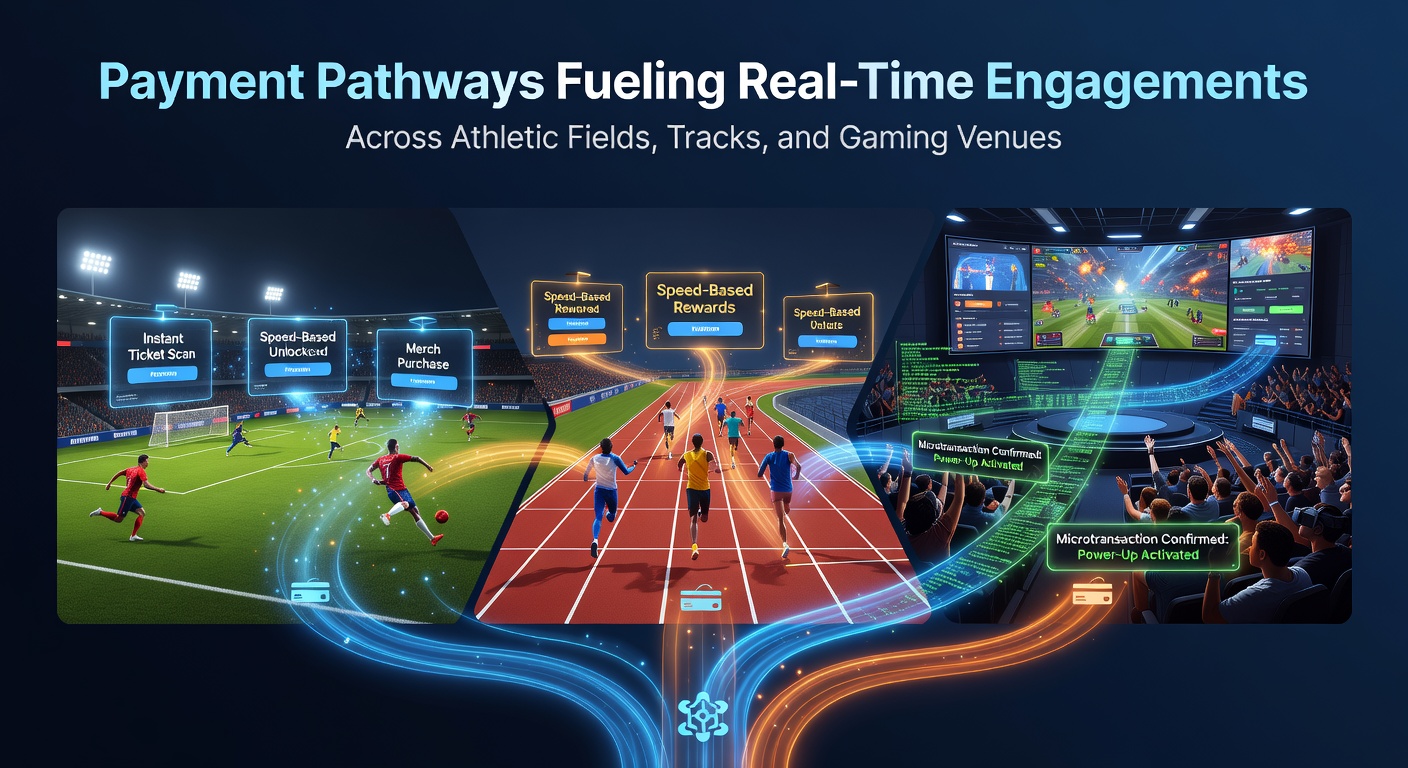
But here's the thing: compatibility between older venue terminals and newer mobile-first solutions remains an ongoing focus for developers, since mismatched systems can create brief lags that affect high-speed decisions in sprint finishes or dealer rounds, and industry groups track these issues through shared data repositories to refine future updates. People who've examined adoption patterns often discover that venues offering multiple payment rails, including cards, e-wallets, and direct bank links, report higher retention during extended live sessions.
Technical and Security Considerations
Engineers emphasize encryption standards and real-time monitoring tools that flag unusual activity while preserving speed, and data indicates these measures scale effectively from small trackside kiosks to large arena networks supporting thousands of simultaneous users. One study revealed that platforms combining payment speed with event-specific triggers, such as prop bets during basketball quarters or exotic wagers at racing meets, achieve stronger user engagement metrics than those relying on slower legacy methods.
Turns out the expansion also touches daily routines outside peak events, where users preload accounts via the same pathways for quick access during idle moments that coincide with ongoing tournaments or casino streams, and this flexibility supports both professional bettors and casual participants across global time zones.
Conclusion
Payment pathways continue evolving to match the pace of athletic competitions, track events, and gaming activities, with infrastructure investments and regulatory alignments shaping how funds move in real time, and projections point toward further refinements after May 2026 that could standardize even more options worldwide. Those monitoring the sector highlight the role of diverse providers in sustaining these flows while meeting security and compliance benchmarks set by organizations beyond single national bodies.