Layered Reward Structures Powered by Diverse Payment Channels in Live Tennis and Horse Racing Markets
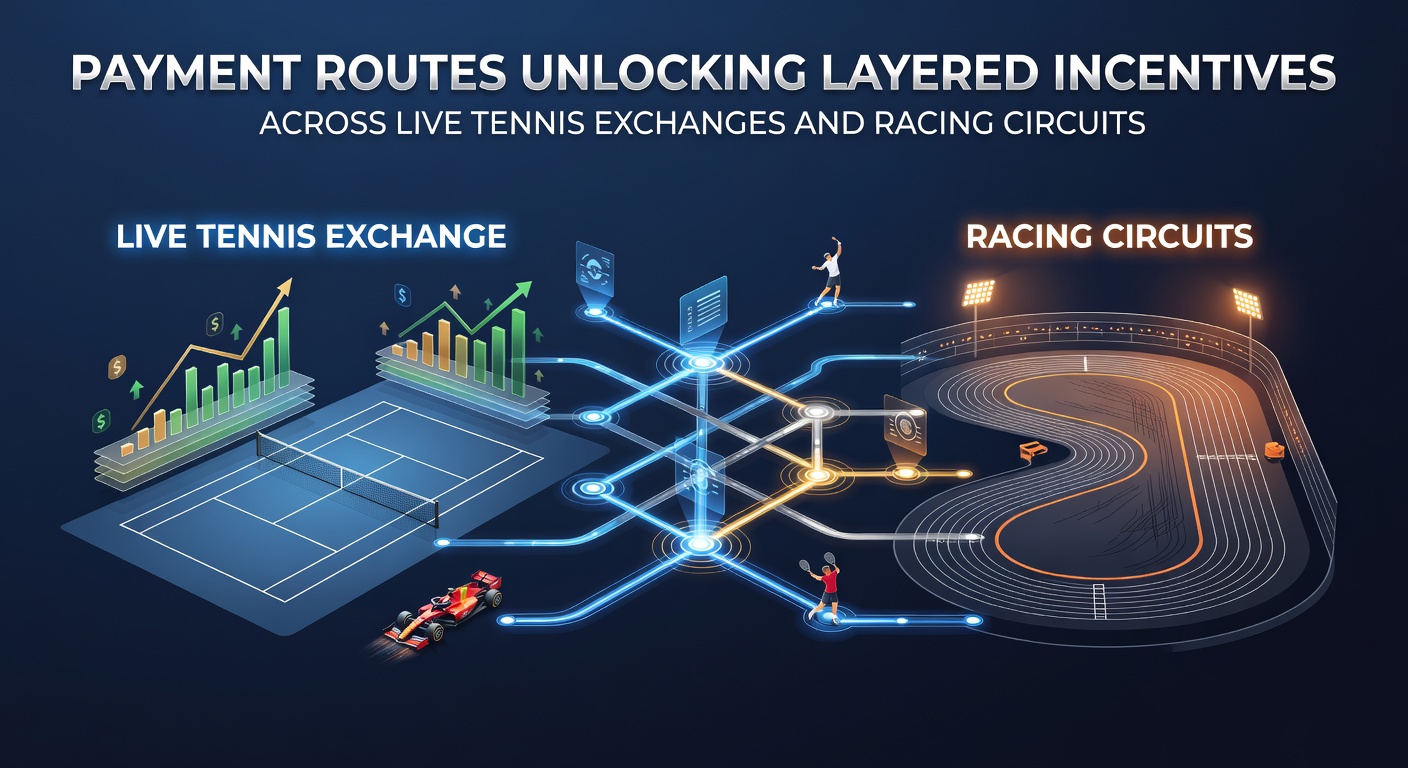
Payment routes now connect directly to multi-tier incentive programs that activate across live tennis exchanges and racing circuits, where timing and processing speed determine which rewards stack successfully. Data from industry tracking services shows operators increasingly route deposits through specific processors that trigger deposit matches, loyalty multipliers, and real-time wager boosts without delays that could miss narrow live-market windows.
Mechanics of Payment-Enabled Incentive Layers
Traditional single-bonus models have given way to sequenced reward systems that unlock only when funds arrive via approved channels, and researchers at several European gaming institutes have documented how e-wallet integrations allow simultaneous activation of welcome bonuses, cashback tiers, and live-event multipliers. One study released by the European Gaming and Betting Association highlighted that operators using faster settlement rails recorded higher uptake of stacked promotions during high-volume tennis tournaments and major racing meets.
These layered structures typically begin with an initial deposit trigger, followed by activity-based unlocks that accumulate points redeemable for future wagers, and the process accelerates when payment providers offer instant confirmation APIs that feed directly into operator reward engines. Observers note that tennis exchanges, which feature rapid point-by-point markets, benefit particularly because delayed fund arrivals often cause players to miss the brief windows where boosted odds appear.
Application in Live Tennis Exchanges
Live tennis platforms have adopted payment pathways that tie deposit speed to progressive incentive tiers, allowing users who complete transfers within specified timeframes to access enhanced returns on set or game markets. Figures released by the New Jersey Division of Gaming Enforcement indicate that states permitting integrated wallet solutions saw a measurable rise in live-session participation rates during major tournaments, as players could reload accounts and immediately qualify for additional reward layers.
Exchanges facilitate peer-to-peer style betting where layered incentives appear as reduced commission rates or matched stakes, and these benefits activate only after the chosen payment route confirms the transaction. Data indicates that operators offering multiple route options, including regional bank transfers alongside digital wallets, achieve broader retention because users select the method that best aligns with their preferred reward sequence.

Integration Across Racing Circuits
Racing circuits employ similar payment-linked systems that reward consistent activity through cumulative loyalty tiers, and these programs often synchronize with race-day schedules so that deposits made before specific events unlock enhanced place or win payouts. Reports from Australian racing authorities demonstrate that venues adopting instant transfer protocols experienced increased on-course and app-based engagement, particularly when layered incentives included photo-finish specific boosts or accumulator multipliers.
The sequencing matters because many circuits run parallel live markets across multiple tracks, and only certain payment routes deliver the confirmation speed needed to stack rewards before odds shift. Those who have examined transaction logs across several seasons find that users routing funds through high-speed processors accumulate higher total reward values over time compared with slower alternatives.
Regulatory and Operational Shifts Around May 2026
Industry preparations for May 2026 include adjustments to payment compliance frameworks in several jurisdictions, where new verification standards are expected to influence which routes can continue supporting layered incentive programs. Operators in multiple regions have begun testing alternative processors that maintain reward functionality while meeting updated security requirements, and early pilot results suggest minimal disruption to tennis and racing bet volumes when routes are diversified in advance.
Payment providers that already meet cross-border standards stand to gain market share as circuits and exchanges standardize their incentive delivery around confirmed transaction timestamps. This alignment ensures that reward layers activate precisely when live conditions favor the bettor, whether during extended tennis rallies or last-second racing photo finishes.
Conclusion
Payment routes have become the operational backbone that determines how effectively layered incentives function within live tennis exchanges and racing circuits, with faster confirmation enabling more reward stages to activate during active events. Data from regulatory and industry sources across different regions shows that operators prioritizing diverse, high-speed channels maintain higher engagement levels as markets evolve. Continued refinement of these connections will shape how incentives distribute across both sports in coming seasons.