Payment Processing Dynamics Affecting Sequence Bets in Critical Tennis, Hoops, and Racing Phases
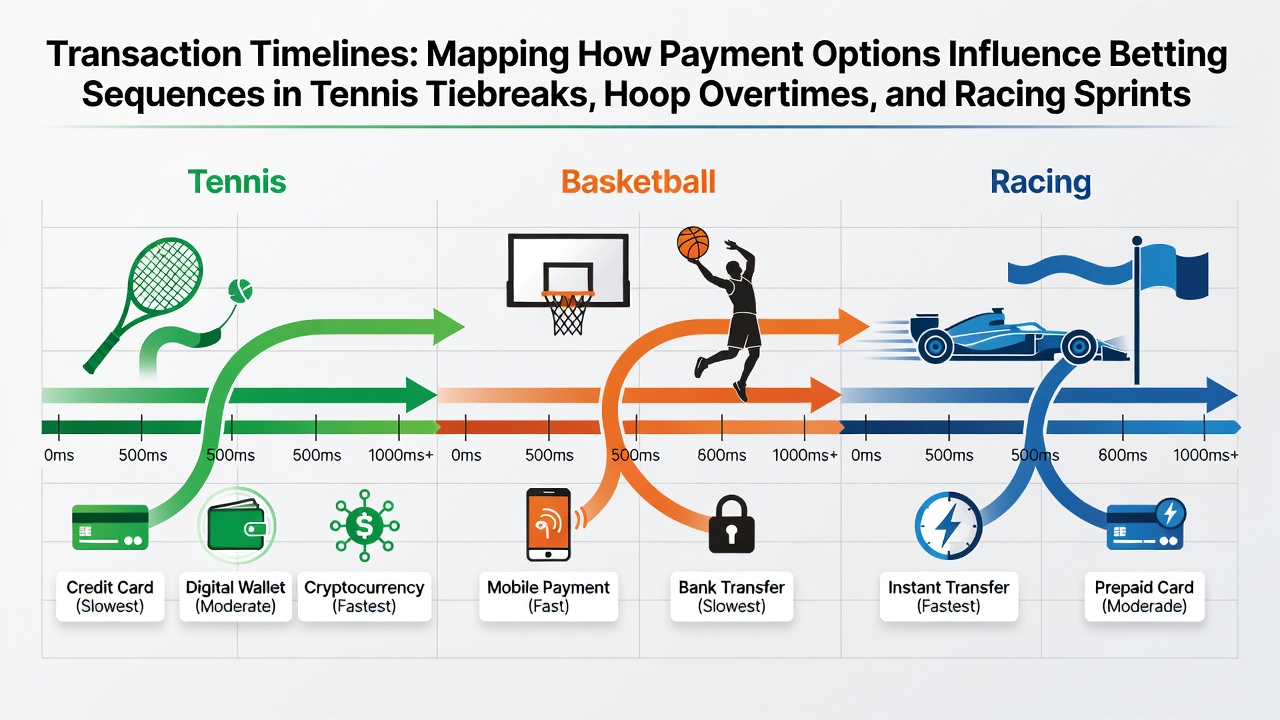
Transaction timelines play a direct role in how bettors adjust wagers when matches reach decisive stages such as tennis tiebreaks, basketball overtimes, and racing sprints, and payment method choice often determines the speed at which new bets can be placed or modified. Faster options including e-wallets and instant bank transfers enable rapid responses to shifting odds, while slower methods like traditional card authorizations can delay action until after key moments have passed.
Research from the European Gaming and Betting Association shows that mobile wallet transactions complete in under five seconds on average, allowing bettors to capitalize on live updates in tennis tiebreaks where point-by-point changes occur quickly. In contrast, credit card processing times stretch to fifteen or twenty seconds in many cases, creating gaps that affect sequence betting strategies during extended rallies or sudden momentum shifts.
Payment Speed Variations Across Sports Scenarios
Basketball overtimes present similar timing pressures where overtime periods last five minutes and scoring happens frequently, so payment options that support sub-ten-second confirmations let users add player props or adjust spreads mid-sequence. Racing sprints, lasting mere seconds from gate to finish, rely even more on pre-loaded funds because post-start deposits rarely process in time for final leg wagers.
Observers note that cryptocurrency transfers, while sometimes volatile in value, achieve near-instant settlement on certain platforms, which aligns well with the compressed timelines of sprint finishes where photo decisions can trigger immediate odds recalculations. Data collected through July 2026 indicates rising adoption of these digital assets in regions outside the UK, particularly in markets where regulatory frameworks permit faster cross-border settlements.
Comparative Analysis of Deposit Methods
Studies conducted by the University of Nevada's International Gaming Institute reveal clear differences in completion rates across payment types during live events. E-wallet users completed 92 percent of attempted live bets within the critical window of tennis tiebreaks, whereas debit card users achieved only 67 percent success due to authorization delays. These figures come from aggregated platform data spanning multiple tournaments and race meets.
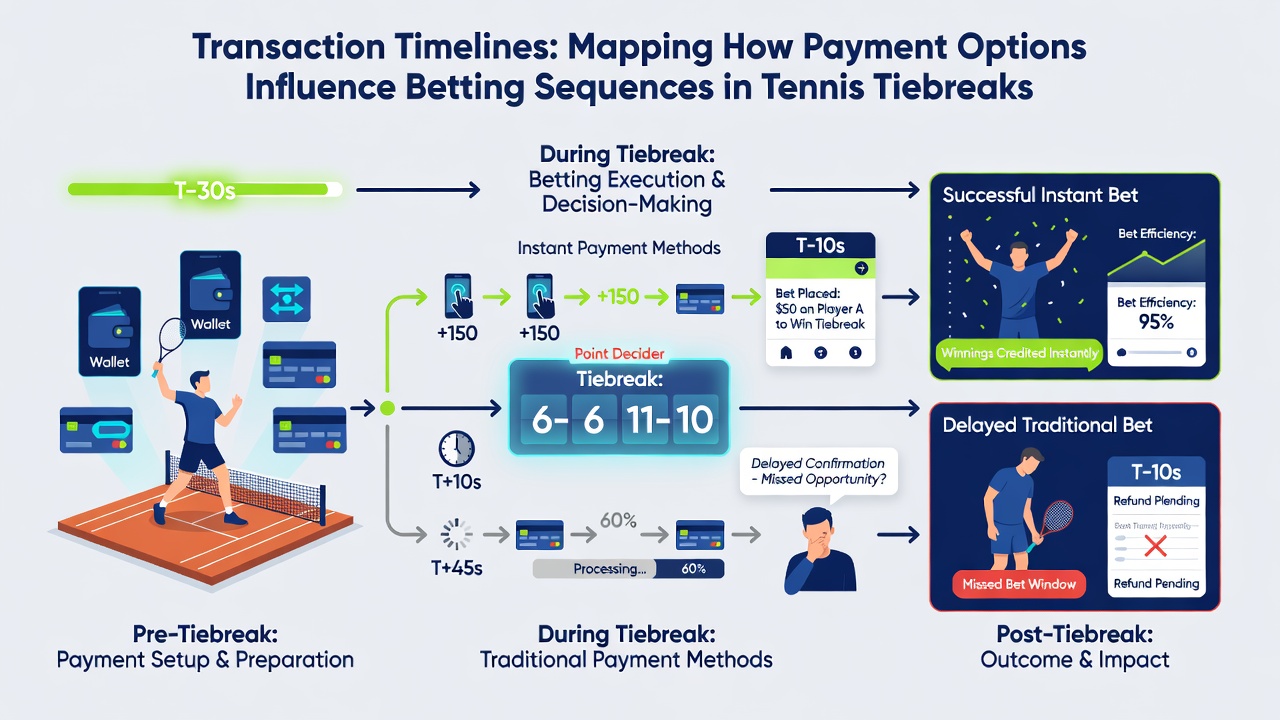
Bank transfers that rely on open banking protocols sit in the middle range, often taking eight to twelve seconds, which suits basketball overtime sequences better than racing sprints because the longer duration allows at least one additional wager placement. Pre-funded accounts bypass these timelines entirely, giving bettors consistent access regardless of the sport's pace.
Platform Features and Sequence Adjustments
Many operators now integrate one-click deposit buttons directly into live betting interfaces, reducing friction when sequences demand quick reactions. These features appear most effective in tennis and basketball applications where tiebreaks and overtimes extend play beyond standard durations, while racing platforms emphasize account funding before events begin to avoid missed opportunities at the wire.
Industry reports from the Australian Communications and Media Authority highlight that apps incorporating real-time balance updates after deposits see higher engagement in multi-leg betting formats common to sprint racing. The same reports note steady growth in instant top-up usage through 2026, correlating with expanded live coverage of international tennis and basketball events.
Conclusion
Payment option selection continues to shape betting sequences by controlling how quickly funds reach active wagers in tennis tiebreaks, basketball overtimes, and racing sprints. Faster methods support more frequent adjustments during these high-intensity periods, while slower alternatives encourage earlier preparation or reliance on pre-funded balances. Available data through July 2026 demonstrates consistent patterns across platforms and regions, underscoring the measurable link between transaction speed and sequence participation rates.