Secure Channels for Digital Transfers Empowering Bonus Systems in Racing, Tennis, and Casino Mobile Experiences
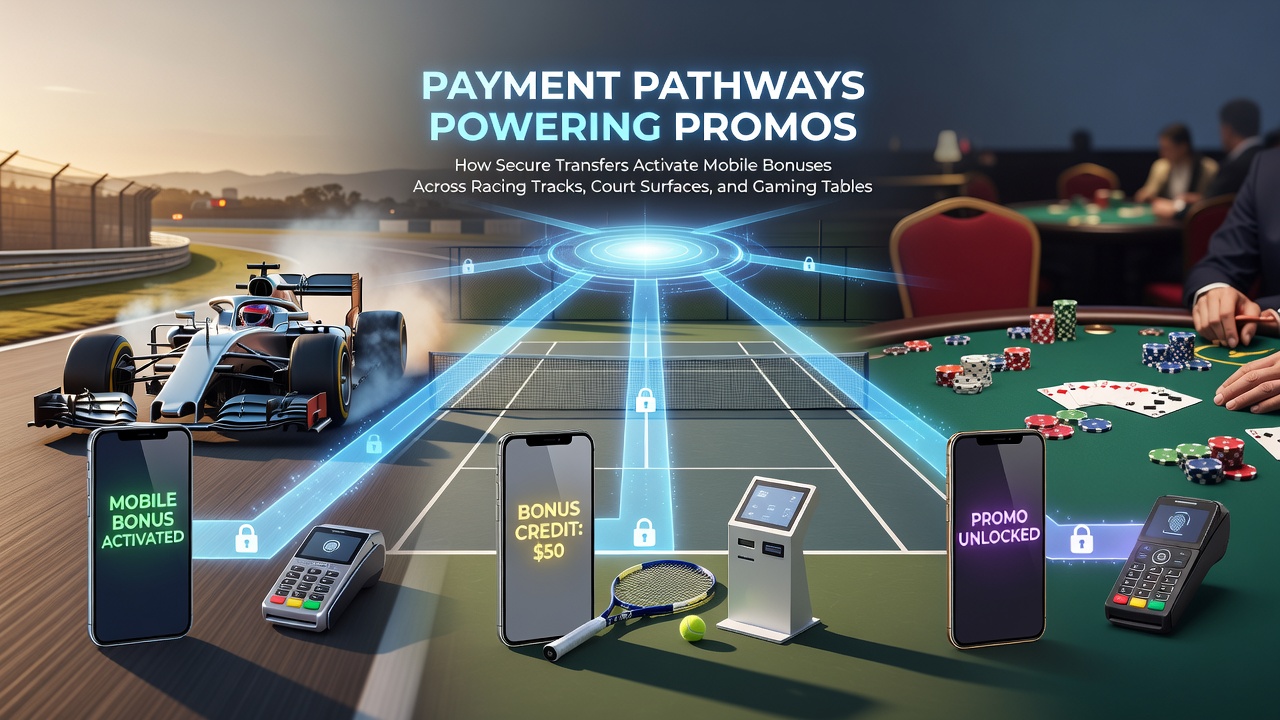
Payment infrastructures rely on layered encryption and tokenization to move funds between user accounts and operator systems while preserving compliance with jurisdictional rules, and these same mechanisms directly enable the release of mobile bonuses at venues that span horse racing tracks, tennis courts, and casino gaming tables. Operators integrate banking APIs with real-time verification services so that a completed transfer triggers an automated credit within the application, allowing users to access promotional balances without separate manual steps.
Core Components of Protected Transaction Flows
Financial institutions and gambling platforms coordinate through standardized protocols such as ISO 20022 messaging and open-banking frameworks that reduce settlement times from days to seconds; data from the American Gaming Association shows that operators adopting these standards recorded higher volumes of verified deposits during peak event periods in 2025. Tokenized credentials replace card details during each session, which limits exposure and satisfies audit requirements from multiple regulators simultaneously.
Multi-factor authentication combines device biometrics with one-time codes generated by the banking partner, and this combination activates the bonus engine once the transaction clears. Observers note that the same sequence operates whether the wager targets a photo finish at a racetrack, a tie-break on court, or a progressive jackpot at a virtual table.
Application Across Racing, Tennis, and Table Environments
At equestrian facilities, mobile applications link NFC-enabled terminals at betting windows to central payment gateways, so instant top-ups credit promotional funds that users can deploy on exotic wagers during the same race card. On tennis courts, live scoring feeds connect directly to wallet services, allowing a deposit made between sets to unlock a matched-bonus offer before the next point begins. Casino environments employ similar pathways where live-dealer streams trigger bonus releases once the secure transfer notification arrives from the payment processor.
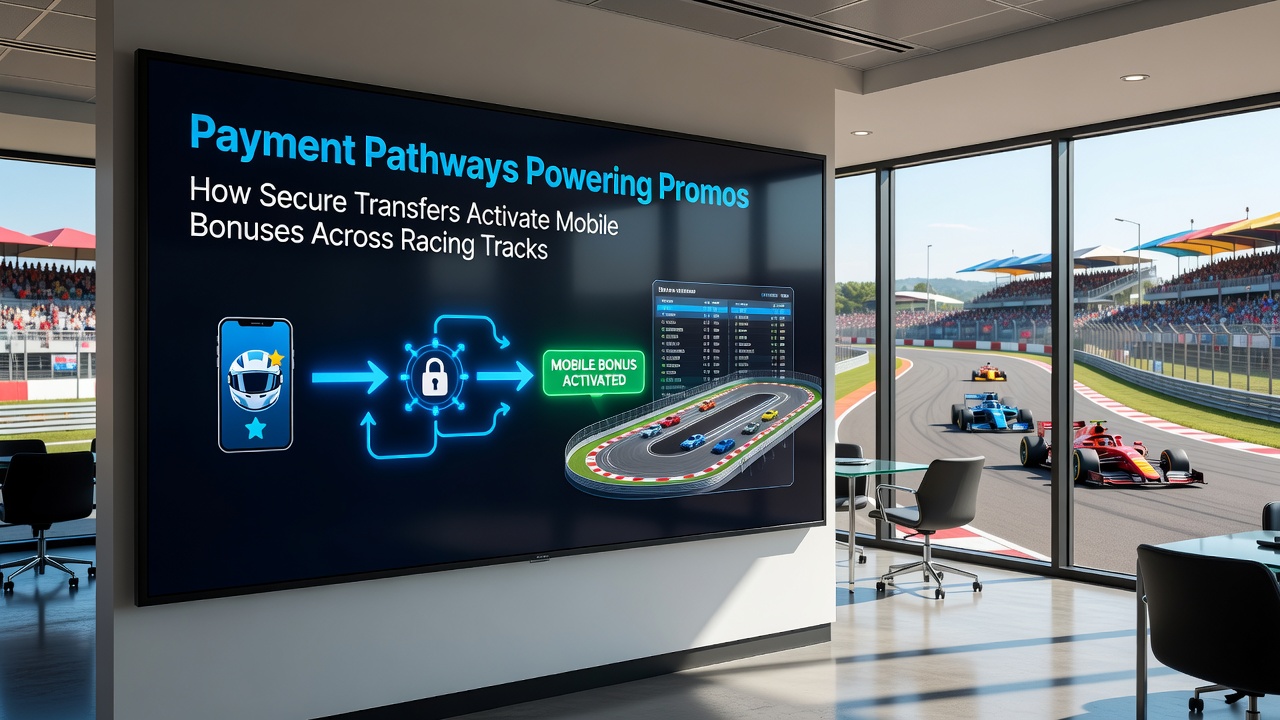
Industry reports indicate that these integrations increased average session length by measurable margins across all three verticals in markets that permit real-time settlement. The technical architecture remains consistent: a single API call from the operator’s risk engine confirms both the deposit and the eligibility for the attached promotion.
Regulatory Milestones and Industry Standards
Regulators outside the United Kingdom continue to refine rules governing instant transfers. Canadian authorities through the Canadian Gaming Association published updated technical standards in late 2025 that require end-to-end encryption for every bonus-triggering transaction, while Australian state bodies aligned their frameworks with similar requirements effective January 2026. A scheduled review by the Nevada Gaming Control Board in June 2026 will evaluate whether additional interoperability tests between mobile wallets and on-site kiosks are needed for venues that combine racing, sports courts, and table games under one license.
These updates emphasize audit trails that record both the payment authorization and the precise moment a bonus balance becomes available, which supports responsible-gambling tools such as reality checks and spend limits. Academic researchers at the University of Nevada, Las Vegas documented how these audit capabilities improved transparency metrics without extending processing delays beyond two seconds in controlled trials.
Technical Safeguards and User Verification
Operators deploy machine-learning models that score each transfer for fraud risk before the bonus engine activates, and the models incorporate signals from device location, transaction velocity, and historical patterns. When the score remains within acceptable thresholds, the promotional credit posts automatically; otherwise the system routes the transaction for manual review while still preserving the deposit itself.
Third-party auditors certify that these models meet data-protection statutes across jurisdictions, and the certifications are renewed annually. The process ensures that users experience uninterrupted access to bonuses whether they place wagers at a racetrack terminal, courtside via 5G, or at a casino table through a tablet interface.
Conclusion
Payment pathways built on encryption, tokenization, and real-time verification continue to serve as the foundation that converts deposits into usable mobile bonuses across racing, tennis, and casino settings. Regulatory developments scheduled through mid-2026 will further standardize these connections, while technical refinements already in place maintain both security and speed for participants in each environment.