Wallet Synchronization Enabling Real-Time Payouts in Response to Live Odds Changes Across Racing Circuits, Tennis Rallies, and League Playoffs
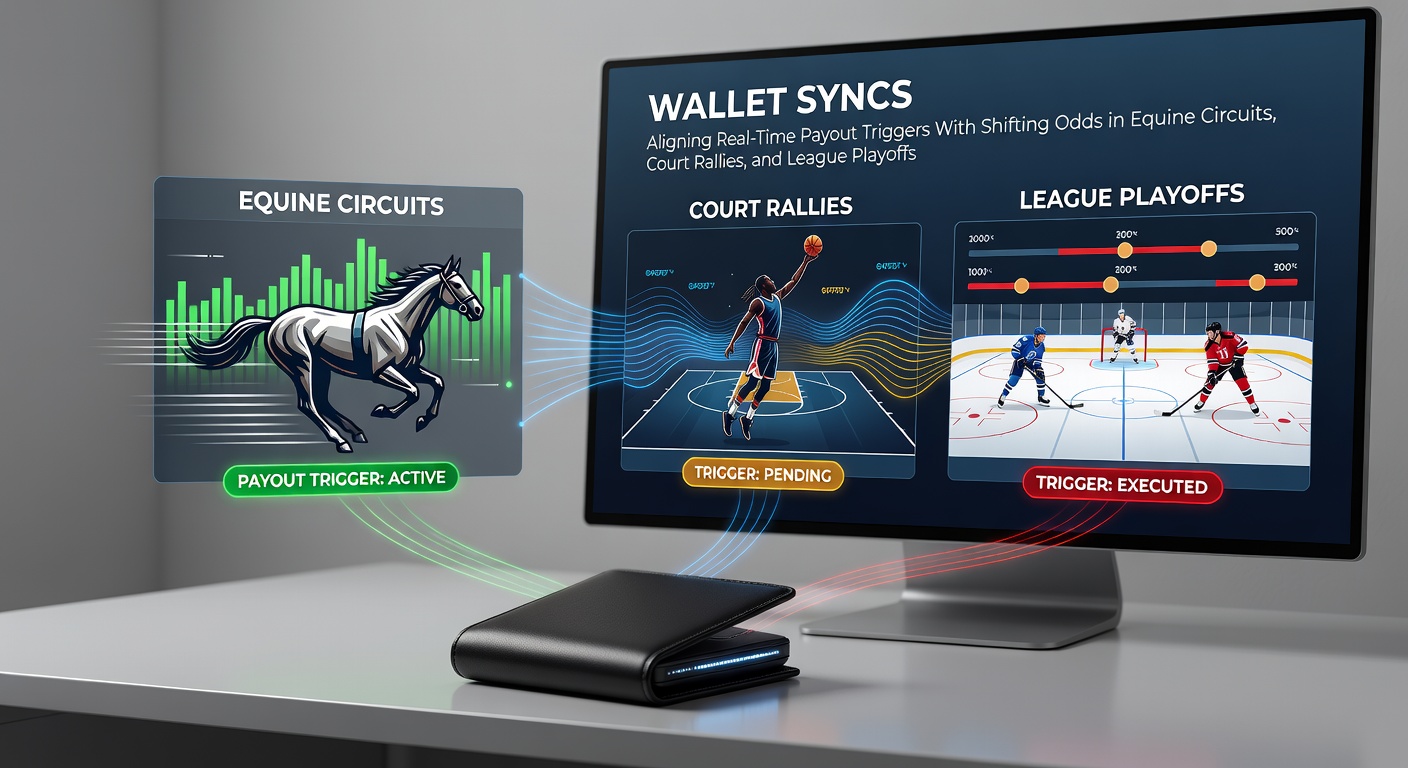
Operators in equine circuits have integrated wallet systems that monitor odds engines continuously and initiate payout triggers the moment line movements cross predefined thresholds, and this approach extends into tennis rallies where point-by-point volatility demands immediate settlement capabilities along with basketball league playoffs where timeout adjustments can swing probabilities rapidly.
Data from transaction networks show that synchronization latency has dropped below 200 milliseconds in several platforms, allowing funds to move from risk pools to user accounts without requiring manual intervention once an event outcome aligns with updated probability models, while industry reports indicate adoption rates climbed steadily through 2025 as venues upgraded their application programming interfaces.
Technical Foundations Behind the Synchronization Process
Payment gateways connect directly to oddsmaking algorithms through secure APIs, so when a horse's position shifts during the final turn or a tennis player's serve percentage adjusts after a double fault, the wallet receives an instantaneous signal that recalculates exposure and releases funds if the wager meets the new criteria, and observers note that these connections often incorporate redundant verification layers to prevent premature releases during brief data spikes.
Research conducted by academic teams at institutions tracking gambling technology indicates that blockchain-based ledgers have been tested alongside traditional banking rails in pilot programs across North American and Australian markets, with figures revealing reduced dispute volumes when immutable transaction records accompany each odds-triggered payout, whereas conventional database systems still dominate in high-volume equine circuits because of their established throughput during peak race days.
Application in Equine Circuits and Court-Based Events
At major racing venues, wallet syncs activate during photo finishes when stewards' rulings alter official results and corresponding odds retroactively, enabling operators to adjust pending settlements before bettors even leave the stands, and similar mechanics appear in tennis where a single ace or unforced error recalibrates set-winning probabilities in real time for live markets. League playoffs introduce additional complexity because roster changes announced between periods can move betting lines significantly, yet synchronized wallets handle these shifts by queuing multiple trigger conditions that execute sequentially once the updated data propagates through the system.
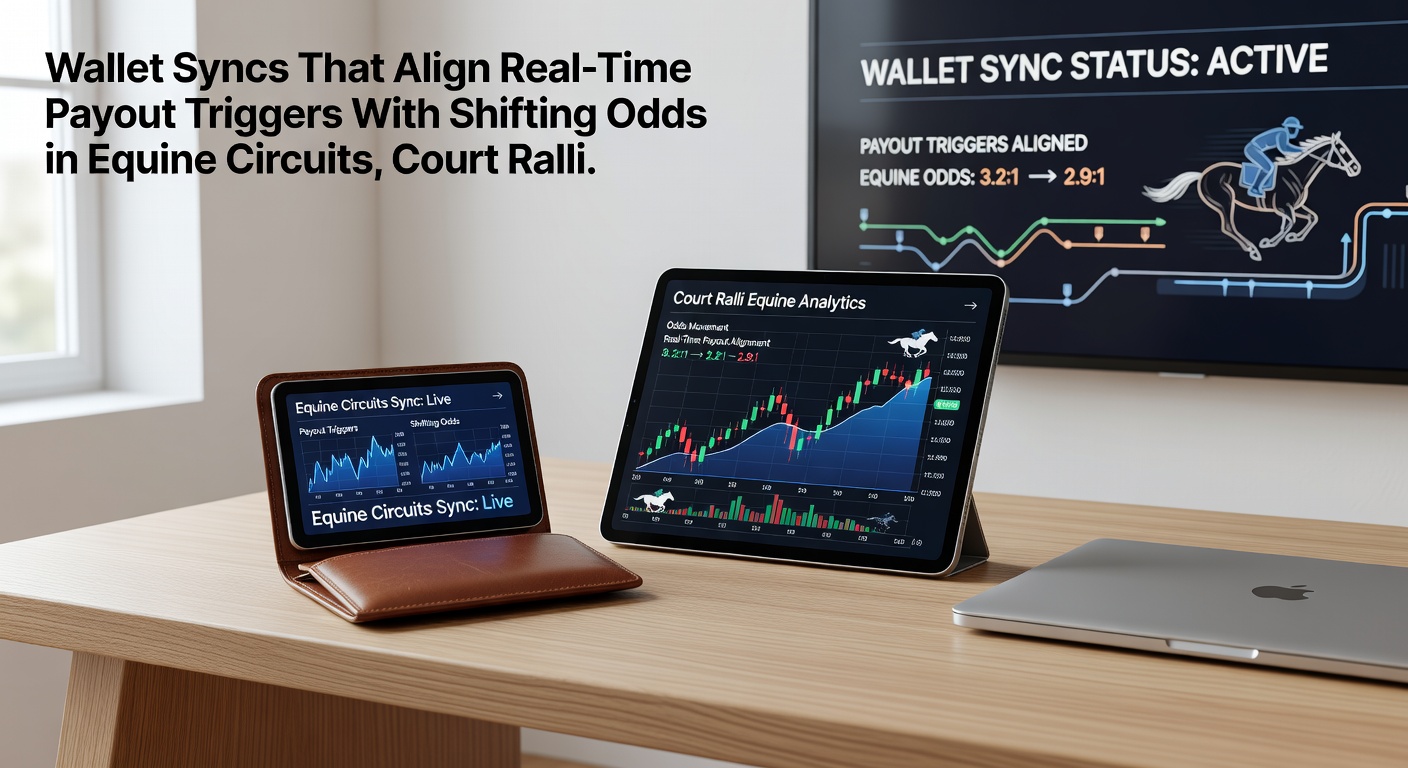
According to industry analyses from organizations monitoring global betting infrastructure, equine circuits accounted for roughly 28 percent of all live payout events processed through synced wallets in the preceding twelve months, while tennis and basketball combined contributed another 35 percent, and these proportions reflect the sports' inherent volatility that creates frequent odds adjustments requiring rapid fund movements.
Regulatory Context and Timeline Considerations Around May 2026
Changes scheduled for May 2026 in several jurisdictions will require operators to demonstrate enhanced audit trails for any automated payout mechanism, including those tied to live odds feeds, and regulators in multiple regions have signaled that documentation of trigger logic must be available for review within 48 hours of any large-scale settlement wave. This requirement aligns with broader efforts to maintain transparency as transaction volumes grow, particularly when wallets process simultaneous triggers across different sports during overlapping playoff schedules and race meetings.
Figures released by research arms of international gaming associations highlight that compliance testing for these synchronized systems has already begun in advance of the May 2026 deadlines, with platforms incorporating timestamped logs that capture both the odds value at trigger activation and the exact wallet balance movement that follows.
Case Examples from Operational Environments
One documented implementation at a prominent racing circuit demonstrated that after a late jockey change altered morning-line odds by more than 40 percent, the synced wallet settled over 12,000 affected wagers within four minutes without manual overrides, while a parallel tennis event saw similar efficiency when a mid-match injury update triggered payouts across thousands of set and game markets simultaneously. League playoff scenarios have produced comparable results when timeout strategies shift point spreads, and the wallet systems queue those adjustments to avoid conflicts with ongoing play.
What's interesting is how these operational patterns have encouraged further development of conditional trigger rules that account for multiple simultaneous variables, such as combined weather data in equine events and player fatigue metrics in court rallies, allowing wallets to refine payout timing even more precisely.
Conclusion
Wallet synchronization continues to evolve alongside odds management platforms, creating pathways for automated real-time payouts that respond directly to shifting conditions in equine circuits, tennis rallies, and league playoffs, and the infrastructure supporting these processes incorporates both technical redundancies and regulatory preparations ahead of May 2026 milestones. Continued monitoring by research institutions and industry bodies will determine how these systems scale during future high-volume periods across the mentioned sports.